
Travel Tips

Planning a Bar Mitzvah at the Western Wall? 5 Essential Tips for American Families

For many Jewish families in the US, celebrating a Bar Mitzvah at the Western Wall (Kotel) is the ultimate dream. It connects your child to thousands of years of history and creates a memory that lasts a lifetime.

However, planning a ceremony in Jerusalem while sitting in New York, Los Angeles, or Florida can be overwhelming. As a private tour guide in Israel with over 35 years of experience, I have helped hundreds of American families plan the perfect “Simcha” without the stress.

Here are my top 5 tips for planning a seamless Bar Mitzvah in Jerusalem.

1. Choose the Right Section for Your Family

This is the most common question I get from American families. The Western Wall is divided into separate sections, and choosing the right one depends on your family’s observance level:

  • The Main Plaza (Orthodox): Men and women are separated by a divider (Mechitzah). The ceremony takes place on the men’s side, while women watch from the partition. This is managed by the Western Wall Heritage Foundation.

  • Robinson’s Arch (Ezrat Yisrael): If you are a Reform or Conservative family and want men and women to stand together during the Torah reading, this is the place. It is a beautiful, quieter section located just south of the main plaza.

Pro Tip: You must book your slot in advance, especially during the busy summer months and holidays!

2. Timing is Everything

Jerusalem can get very hot, and the Kotel area gets extremely crowded. For the best experience, I always recommend scheduling the ceremony for early morning (around 8:30 AM) or late afternoon just before sunset. Not only will the weather be more pleasant for the grandparents, but the lighting for your photos will be spectacular.

3. Don’t Forget the Logistics (Transportation matters!)

Imagine this: You are dressed in your best clothes, holding the Torah scroll, and it’s 90°F outside. The last thing you want is to be dragging your family on public buses or trying to find two separate taxis.

Booking a private tour guide with a vehicle ensures that your family is picked up from your hotel and dropped off as close as possible to the entrance (Dung Gate). At Motti Tours, I provide a spacious, air-conditioned Kia Carnival that fits the whole family comfortably, so you arrive fresh and relaxed.

4. Plan the “After-Party” in Advance

After the candy throwing and the “Mazal Tov,” everyone will be hungry. The Old City has some fantastic restaurants, but they fill up fast. Whether you want a festive lunch inside the Old City walls or a modern dining experience in the Mamilla area, reservations are a must. Don’t leave this for the last minute.

5. Turn the Ceremony into a Full Israel Experience

The Bar Mitzvah ceremony usually lasts about an hour. What do you do with the rest of the day? Or the rest of the week? Don’t just fly in for the ceremony. Turn this milestone into a comprehensive family heritage tour.

A typical itinerary I build for my clients includes:

  • Day 1: The emotional ceremony at the Kotel followed by a tour of the City of David tunnels.

  • Day 2: A fun day trip to the Dead Sea and Masada (great for kids!).

  • Day 3: Exploring the Galilee or Tel Aviv.

Need Help Planning Your Son’s Bar Mitzvah in Israel?

Don’t let the logistics ruin the moment. Let a local expert handle the details. I specialize in tailor-made private tours for American families, ensuring your trip is safe, comfortable, and deeply meaningful.

[Contact Motti today to start planning your family’s journey >>]

A Taste of Israel: Eating & Drinking Tips from a Private Guide

Israel is famous for its history, but for many of my clients from the US, the highlight of their trip ends up being the food. Whether you are a foodie looking for fine dining or a family wanting the best falafel, Israel has it all.

As a private tour guide, I don’t just show you the sites; I make sure you taste the culture too. Here is my short guide to eating and drinking in Israel like a local.

1. Beyond Hummus: Street Food You Must Try

Everyone knows Hummus and Falafel, and yes, we will stop at the best places to eat them. But don’t miss out on Sabich. It’s a pita filled with fried eggplant, hard-boiled eggs, potatoes, and tahini. It is a Jewish-Iraqi dish that is absolutely delicious. Also, try the Shawarma – but listen to your guide on where to buy it to ensure it’s clean, fresh, and authentic.

2. The Market (Shuk) Experience

You cannot visit Israel without a tasting tour in the markets.

  • Machane Yehuda (Jerusalem): By day, it’s a bustling market with halva, spices, and rugelach. By night, it turns into a trendy bar scene.

  • Carmel Market (Tel Aviv): Great for fresh fruit, local cheeses, and quick bites.

  • My Tip: When we tour together, I take you to the specific stalls that offer the freshest produce and hidden treats most tourists miss.

3. The “Kosher” Question

Many American travelers ask me: “Is it hard to find non-kosher food?” or “Is kosher food good?” Here is the deal: Jerusalem is more traditional with many Kosher-certified restaurants (which are amazing!). Tel Aviv is a culinary capital with world-class chefs, serving everything from seafood to classic dairy. Whatever your dietary preference, the options are endless.

4. Drinking in Israel: Water, Wine, and Coffee

  • Is tap water safe? Yes, tap water in Israel is safe to drink. However, mineral water is available everywhere if you prefer.

  • Coffee Culture: Israelis take their coffee seriously. Don’t expect American drip coffee everywhere; try a “Hafuch” (like a cappuccino) or a strong Turkish coffee.

  • Israeli Wine: Israel’s wine industry is booming. From the Golan Heights to the Judean Hills, there are incredible boutique wineries.

    • Tour Idea: Ask me to add a private winery tour to your itinerary. It’s a relaxing way to spend an afternoon with beautiful views.

Hungry for a Real Israeli Experience?

Planning a trip to Israel is about more than just hotels and flights. It’s about knowing where to go. Join me for a private, tailor-made tour, and I promise you won’t go hungry!

Contact Motti to plan your culinary adventure >>]
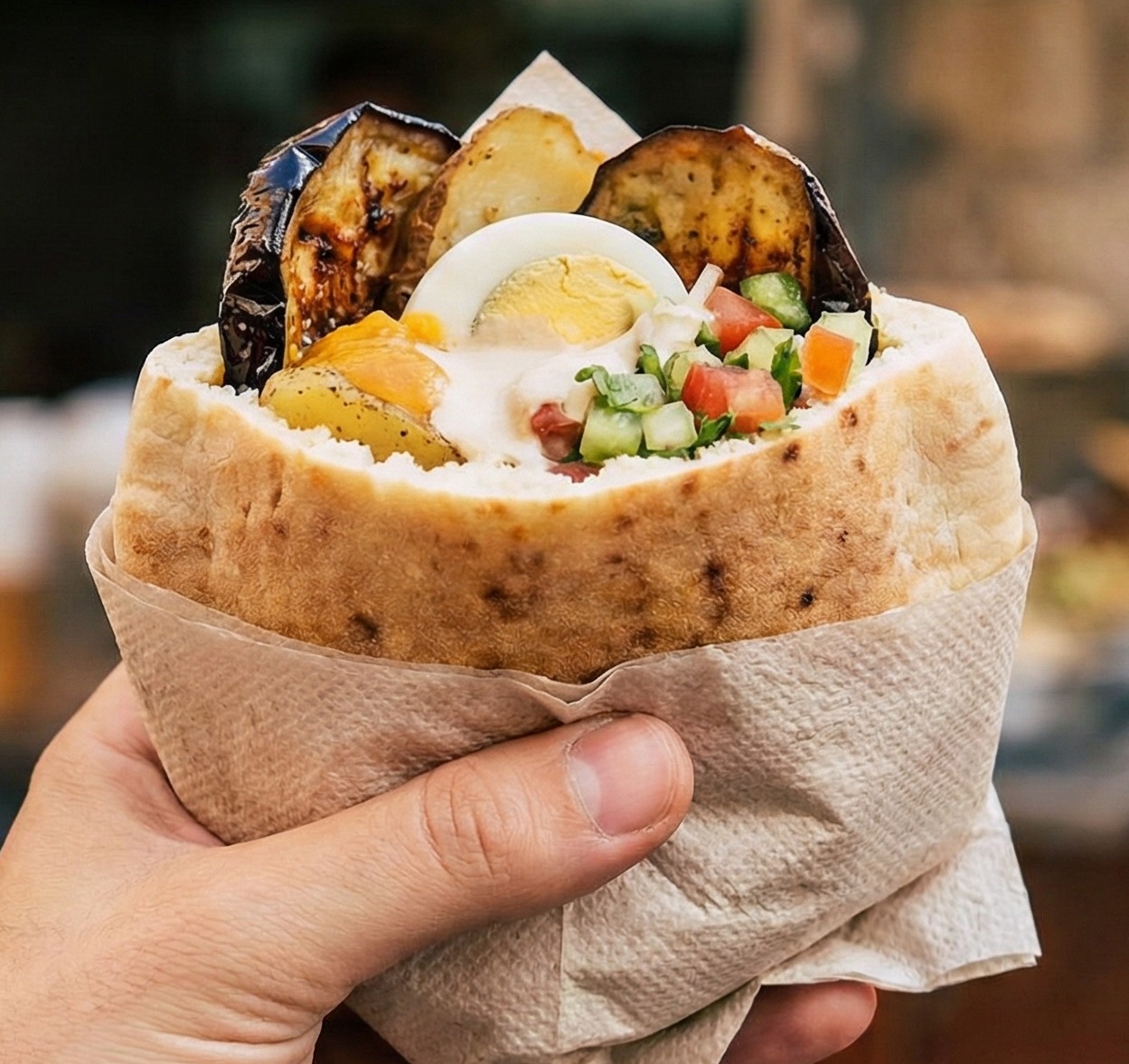
Sabich
Sabich

Essential Practical Tips for Your Trip to Israel

Planning your trip involves more than just an itinerary. Here are some practical tips regarding money, transportation, and electricity to ensure your vacation runs smoothly.

Taxis and Transportation

  • Always Ask for a Receipt: If you hail a taxi on the street, always request a printed receipt at the end of the ride. If you accidentally leave something behind (like a phone or camera), the receipt contains the driver’s details and taxi number, making it much easier to retrieve your lost items.

  • Use Apps: For peace of mind, I recommend using apps like Gett or Uber. They automatically track your ride and driver details, and payment is seamless.

Credit Cards & Payments

  • Accepted Everywhere: Israel is very advanced digitally. You can use major credit cards (Visa, MasterCard, Amex) almost everywhere, including small kiosks. Contactless payment (Apple Pay / Google Pay) is also widely supported.

  • Markets (The Shuk): While many stalls now accept cards, it is better to use cash in open-air markets (like Machane Yehuda or the Carmel Market). Cash is faster and gives you better leverage if you want to bargain for a lower price.

Money & Currency Exchange

  • The Currency: The Israeli currency is the New Israeli Shekel (NIS).

  • Where to Exchange: The best rates are usually found at licensed private “Change” offices in city centers (Tel Aviv, Jerusalem, Haifa).

  • Airport Warning: Try to exchange only a small amount at the airport for immediate needs (like a taxi), as the commission rates and service charges there are significantly higher than in the city.

using ATMs in Israel

  • Language is No Barrier: Don’t hesitate to use ATMs. When you insert a non-Israeli card, the interface automatically switches to English.

  • Withdrawal Limits: Most ATMs allow a withdrawal of up to 2,000–2,500 NIS (approx. $500–$600) at a time.

  • Notify Your Bank: Before you travel, call your bank to inform them you will be in Israel. Otherwise, they might view your transactions as suspicious and block your card, leaving you without access to funds.

Electricity & Adapters (Crucial for US Travelers!)

  • Voltage Difference: Israel uses 220 volts (single phase), similar to Europe. This is double the US standard of 110 volts.

  • The Plug: The wall sockets in Israel fit Type H or Type C plugs (two round pins).

  • Converter vs. Adapter:

    • Adapter: You will need a simple plug adapter (US flat pins to Israeli round pins).

    • Converter: Check your device! Most modern electronics (iPhones, Laptops, Cameras) are “Dual Voltage” (110v-240v) – look for this writing on the charger. If so, you only need a plug adapter.

    • Warning: Devices like hair dryers or curling irons usually require a voltage converter. If you plug a 110v American hair dryer into a 220v Israeli socket without a converter, it will burn out immediately.

Leave a Reply